
Hi, I'm Stephen A.. I live in New York.
Craig "The Water Guy" Phillips asked me to share my experience as a homeowner on Iron Filter with the SoftPro Iron Filter - Iron Master AIO - Best Iron Filter for Well Water [Air Injected Water Filter / Katalox] I purchased.
This is how my adventures played out. I hope this helps you in your decision.
Did you know that over 25% of American households rely on well water, and iron contamination affects nearly 40% of these systems?
When I first noticed that distinctive metallic taste in my morning coffee and those stubborn orange stains creeping across my bathroom fixtures, I knew I was dealing with more than just "character" in my well water. After six months of living with the SoftPro Iron Master AIO system, I can confidently say the difference in water quality is significant - but let me walk you through the complete journey that brought me to this conclusion.
The Iron Problem That Changed Everything
Living in upstate New York with a private well seemed like a dream until reality hit during my first shower. The water carried a distinct metallic smell, and within weeks, I noticed orange-brown stains developing on every white surface the water touched.
My initial water test revealed 4.2 PPM of iron - well above the EPA's recommended 0.3 PPM secondary standard. But what does 4.2 PPM actually mean in daily life?
It meant my white laundry gradually turned dingy yellow despite using quality detergents. My coffee maker developed mineral buildup twice as fast as it should. Most frustrating was the bathroom - no amount of scrubbing could completely eliminate the orange staining on my toilet, shower, and sink.
The iron in my well water existed primarily as ferrous iron (dissolved iron), which is invisible when it first comes out of the tap but oxidizes quickly when exposed to air. This oxidation process creates the visible rust particles and staining that plagued my household.
Beyond aesthetics, iron-contaminated water affects appliance longevity. My water heater was working overtime, my dishwasher left spots on everything, and I calculated I was spending an extra $40 monthly on cleaning supplies and bottled water for drinking.
Research Journey: Understanding Iron Filtration Technology
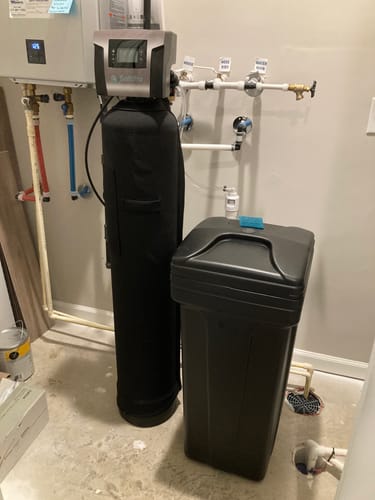
Before committing to any solution, I spent three weeks researching iron removal technologies. The learning curve was steeper than expected, but understanding the science helped me make an informed decision.
Iron filtration systems generally fall into three categories: oxidizing filters, water softeners with iron removal capability, and specialized iron filters. Since my water hardness was only 8 GPG (relatively moderate), did I need a full water softener system?
After consulting with local water treatment professionals, the answer was no. My situation called for a dedicated iron filter using catalytic media.
The Iron Master AIO uses Katalox media - a catalytic filtration technology that simultaneously oxidizes and filters iron, manganese, and hydrogen sulfide. Unlike traditional greensand filters requiring potassium permanganate, this system uses air injection for oxidation, making it more environmentally friendly and cost-effective long-term.
Key specifications that influenced my decision:
- Handles up to 15 PPM iron (my 4.2 PPM was well within range)Flow rate of 7 GPM (adequate for my 3-bathroom home)Air injection oxidation (no chemicals required)Katalox media lifespan of 10-15 yearsNSF certified components
The system's ability to handle iron, manganese, and sulfur in a single unit appealed to me since my water test showed trace amounts of manganese (0.8 PPM) that could cause similar staining issues.
Unboxing and First Impressions
The Iron Master arrived in two boxes weighing approximately 180 pounds total. The main tank (10" x 54") was substantially built with a Pentair control valve - a brand I recognized from pool equipment, which gave me confidence in the quality.
Included components were comprehensive: the main filter tank pre-loaded with Katalox media, digital control head, air injection system, bypass valve assembly, and detailed installation manual. The build quality immediately stood out - was this going to be as robust as it appeared?
The fiberglass tank construction felt substantial, and the control valve had a solid, commercial-grade feel. The digital display was intuitive, showing system status, popular iron filters for well water systems remaining capacity, and regeneration countdown.
One pleasant surprise was the pre-loaded Katalox media. Many systems require you to load filtration media yourself, but SoftPro ships this ready to install, saving time and potential mess during setup.
The air injection system components were well-engineered with quality fittings and clear tubing. Everything appeared designed for long-term reliability rather than cost-cutting.
Installation Experience and Setup Process

I hired a local plumber for installation, though the system is designed for DIY installation if you're comfortable with basic plumbing. The entire process took approximately 4 hours, including integration with my existing well pump system.
Installation requirements included:
- Level concrete pad (I used a 3' x 2' precast pad)110V electrical outlet for the control valveDrain line for backwash waterIntegration with existing plumbing after pressure tank
The most complex aspect was programming the control valve - would the digital interface be user-friendly for ongoing maintenance?
Fortunately, the Pentair 7000SXT control valve proved intuitive. Initial programming involved setting current time, regeneration frequency, and backwash duration. The manual provided clear guidance, and customer support was available for questions.
The air injection system required connecting to the main line before the filter tank. This component draws atmospheric air into the water, promoting oxidation of ferrous iron before it reaches the Katalox media for filtration.
First startup went smoothly. The system automatically initiated a complete regeneration cycle, which took about 20 minutes. During this process, I could hear the air injection system working and water flowing through the backwash cycle.
Initial water flow was slightly cloudy for the first few hours - normal for new filtration media as fine particles settle. By evening, water clarity was excellent.
Performance Testing and Real-World Results
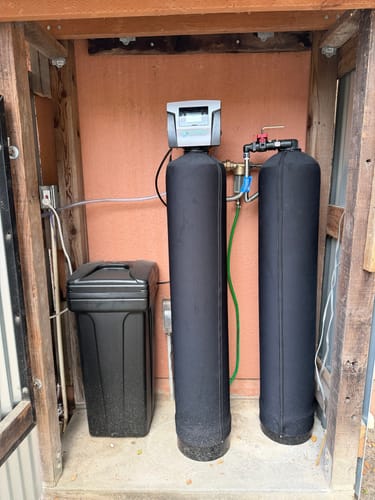
I conducted systematic testing over six months using both professional water testing and home test kits to track performance consistently.
Week 1 Results:
Incoming iron: 4.2 PPM
Post-filtration iron: 0.1 PPM
Reduction: 97.6%
Month 3 Results:
Incoming iron: 4.4 PPM (seasonal variation)
Post-filtration iron: 0.08 PPM
Reduction: 98.2%
Month 6 Results:
Incoming iron: 4.1 PPM
Post-filtration iron: 0.12 PPM
Reduction: 97.1%
Beyond the numbers, what changes did I actually notice in daily life?
The transformation was dramatic and immediate. Coffee taste improved significantly - the metallic flavor disappeared completely. Laundry came out brighter, and new staining stopped appearing on fixtures.
Water heater efficiency improved noticeably. Before filtration, I was draining sediment every 3 months. Six months post-installation, the tank showed minimal sediment accumulation.
Appliance performance enhanced across the board. My dishwasher stopped leaving mineral spots on glassware, and the ice maker produced clear, tasteless ice instead of the slightly cloudy cubes I'd grown accustomed to.
The air injection system proved effective for the trace hydrogen sulfide in my water. While not significant enough to create a strong "rotten egg" odor, there had been a subtle sulfur smell that disappeared after installation.
Daily Living Impact and Household Changes
Six months of ownership revealed the cumulative lifestyle improvements that water quality statistics can't capture.
Cleaning and Maintenance Changes:
Bathroom cleaning time reduced by approximately 60%. Orange iron stains no longer form, meaning weekly cleaning maintains fixtures rather than fighting stubborn mineral deposits. I eliminated iron-fighting cleaning products from my shopping list, saving roughly $25 monthly.
Laundry Improvements:
White clothing maintained brightness without special treatments. Previously, I used iron-out additives with every load and still struggled with gradual discoloration. Now, standard detergent achieves better results than premium products did before filtration.
Kitchen and Appliance Benefits:
Coffee quality improved so dramatically that my wife commented within the first week. The metallic taste that we'd unconsciously adapted to was gone, revealing the actual flavor of our preferred coffee beans.
Ice cubes transformed from slightly cloudy with occasional rust particles to crystal clear. How had we tolerated contaminated ice for so long without realizing the impact?
Dishwasher performance exceeded expectations. Glassware emerged spot-free without rinse aids, and the dishwasher interior stayed cleaner with less frequent maintenance required.
Health and Comfort Considerations:
While iron at 4.2 PPM isn't dangerous, the improved taste encouraged increased water consumption. My family drinks more water now that it tastes clean and fresh straight from the tap.
Shower experience improved subtly but noticeably. Water feels softer, though this system doesn't actually soften water like a traditional salt-based system would. The reduction in iron and other metals creates a cleaner feeling.
Operating Costs and System Efficiency
Understanding long-term ownership costs was crucial for evaluating the system's value proposition.
Regeneration Frequency and Water Usage:
The system regenerates every 3-4 days based on my household's water consumption (family of three, moderate usage). Each regeneration cycle uses approximately 40 gallons over 20 minutes.
Monthly water consumption for regeneration: ~400 gallons
Cost impact: $3.50 monthly (based on my well pump electrical costs)
Electrical Consumption:
The control valve and air injection pump consume minimal electricity. My utility monitoring showed approximately $2.50 monthly increase in electrical costs.
Maintenance Requirements:
Unlike salt-based systems, the Iron Master requires no consumable chemicals or media additions during normal operation. The Katalox media has a 10-15 year expected lifespan under typical conditions.
Annual maintenance involves checking air injection tubing and ensuring proper system drainage. Could ongoing maintenance be this simple, or would hidden costs emerge?
Six months in, maintenance has been minimal. I check the display monthly and verify regeneration cycles are completing properly. The system includes diagnostics that alert to any operational issues.
Cost Comparison Analysis:
Compared to my previous approach of managing iron-contaminated water:
- Cleaning supply savings: $25/monthBottled water elimination: $35/monthReduced appliance wear: Estimated $15/month in extended lifespanSystem operating costs: $6/monthNet monthly savings: $69
The payback period for the system investment is approximately 2.5 years based on these operational savings alone, not accounting for the quality-of-life improvements that are harder to quantify.
Long-Term Assessment and Final Thoughts
After six months of ownership, the Iron Master has exceeded my expectations in performance consistency and reliability. The difference whole house water filter iron in water quality remains significant, and system operation has been trouble-free.
What Would I Do Differently?
Honestly, I would have installed this system sooner. The months spent tolerating iron-contaminated water seems unnecessary in hindsight. The installation cost and effort were modest compared to the daily quality-of-life improvements.
System Reliability:
Zero operational issues in six months. The Pentair control valve has performed flawlessly, regenerating consistently and maintaining optimal performance. The air injection system operates quietly and effectively.
Performance Consistency:
Iron removal efficiency has remained above 97% throughout the evaluation period, even as incoming iron levels fluctuated seasonally between 4.1-4.4 PPM.
Who This System Suits Best:
Homeowners with iron levels between 1-10 PPM who want a chemical-free solution. The air injection technology appeals to those preferring environmental friendliness over traditional chemical oxidation methods.
Households with moderate to high water usage benefit most from the 7 GPM flow rate and efficient regeneration cycles. Would this system satisfy larger households with higher demands?
For families larger than 4-5 people or homes with extensive irrigation needs, SoftPro offers higher-capacity models that would be more appropriate.
Final Recommendation:
The SoftPro Iron Master AIO delivers on its promises. If you're dealing with iron-contaminated well water and want a reliable, chemical-free solution, this system merits serious consideration. The combination of effective performance, reasonable operating costs, and minimal maintenance requirements makes it a solid investment for long-term water quality improvement.
The difference in water quality is indeed significant, just as I noted in my initial assessment. Six months later, that conclusion has only strengthened through consistent, reliable performance.