
Hi, I'm Eric C. I live in New York. Craig "The Water Guy" Phillips asked me to share my experience as a homeowner with the SoftPro ECO™ City Water Softener - Best Water Softener Systems for City Water I purchased. This is how my adventures played out. I hope this helps you in your decision.
Did you know that over 85% of American households struggle with hard water issues?
I certainly didn't realize the extent of my water problems until I started researching solutions. What began as frustration with soap scum and spotty dishes turned into an eye-opening journey about water quality. After installing the SoftPro ECO water softener system a couple of weeks ago, I can honestly say it's transformed our daily water experience in ways I never expected.
The difference has been remarkable – from the way our skin feels after showers to the dramatic reduction in mineral buildup on our fixtures. Both components of the system fit perfectly in our corner space by the laundry tub and upright freezer, making it an ideal solution for our home layout. The price point was excellent compared to other systems we researched, and the performance has exceeded our expectations.
The Hard Water Problem That Drove Me to Action
Living in New York, I thought cloudy water and mineral stains were just part of life. Our municipal water supply, while safe to drink, carried significant hardness levels that wreaked havoc on our household. The telltale signs were everywhere – white, chalky deposits on our coffee maker, shower heads that gradually lost water pressure, and that annoying film on glassware that made everything look perpetually dirty.
The breaking point came when our relatively new dishwasher started leaving spots on everything, despite using rinse aid and premium detergent. I measured our water hardness using a test kit and discovered we had 15 grains per gallon – classified as very hard water. This explained why our water heater seemed less efficient, why we went through soap and shampoo so quickly, and why our skin always felt tight and dry after bathing.
What really concerned me was the long-term cost.
Hard water was essentially shortening the lifespan of every water-using appliance in our home. The calcium and magnesium minerals were building scale inside our pipes, water heater, and appliances. Our plumber mentioned during a routine service call that our water heater had significant mineral buildup for its age.
I tried temporary solutions first – vinegar treatments for fixtures, different detergents, and even bottled water for our coffee maker. These band-aid approaches were time-consuming and costly. The mineral deposits kept returning, and I realized we needed a comprehensive solution that would address the root cause rather than just managing symptoms.
Research Journey: Finding the Right Water Softening Solution
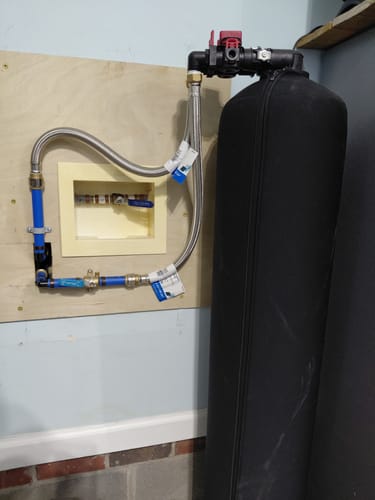
My research phase lasted about three months, during which I learned more about water chemistry than I ever thought I'd need to know. I discovered that traditional salt-based ion exchange systems were the most effective for our level of hardness, but I also explored salt-free conditioners and magnetic water treatment options.
The key factors that guided my decision were capacity, regeneration efficiency, space requirements, and long-term operational costs. Our household of four, with teenagers who take lengthy showers, needed a system that could handle peak demand without running out of soft water.
Why did space constraints matter so much?
Our utility area is compact, located near the laundry tub and upright freezer. Many systems I researched were simply too large or required configurations that wouldn't work in our corner installation. The SoftPro ECO's compact, two-tank design caught my attention because it could fit our space without softprowatersystems.com requiring major utility room reorganization.
I compared several technologies and brands, focusing on systems with NSF certification and proven track records. Salt-free systems seemed appealing initially, but after reading about their limitations with very hard water like ours, I determined that a traditional ion exchange resin system would provide the most reliable results.
The SoftPro ECO stood out for several reasons: its high-capacity resin tank, efficient upflow regeneration system, and the ability to customize regeneration schedules based on actual usage rather than just timer-based cycling. The manufacturer's reputation and warranty coverage also factored heavily into my decision.
Unboxing and Initial Impressions
The SoftPro ECO arrived in two well-packaged boxes – one containing the resin tank and another with the brine tank and control components. The packaging was professional and protective, with each component wrapped securely and all hardware organized in labeled bags.

My first impression was how solid everything felt. The resin tank has substantial weight, indicating quality construction, while the fiberglass tank material looked durable and corrosion-resistant. The control valve appeared more sophisticated than I expected, with clear labeling and robust connections.
What surprised me most about the documentation?
The installation manual was actually readable and well-illustrated. Too often, technical manuals are confusing or assume extensive plumbing knowledge. SoftPro included clear diagrams, troubleshooting guides, and even specific recommendations for different installation scenarios.
The brine tank design impressed me with its salt platform that keeps salt elevated above the water level and its safety float mechanism. These details suggested thoughtful engineering rather than just basic functionality. All the fittings and connectors appeared to be quality components, not the cheap plastic parts I'd seen on some other systems.
Installation Experience: Professional Setup and Configuration

I chose professional installation through a local Kinetico dealer who also services SoftPro systems. While I'm comfortable with basic plumbing, water softener installation involves electrical connections, proper pipe sizing, and system programming that I preferred to leave to experts.
The installation took about four hours, including the time needed to install a bypass valve and make connections to our existing plumbing. Our installer was experienced with the SoftPro ECO system and explained each step of the process, which helped me understand how everything worked together.
What made the corner installation work so well?
The two-tank design allowed flexible positioning that wouldn't have been possible with a single large cabinet system. The resin tank fit perfectly between our water heater and the wall, while the brine tank tucked neatly beside our upright freezer with enough clearance for salt loading.
The installer programmed the control valve based on our water test results, household size, and usage patterns. The system was set to regenerate based on actual water consumption rather than a fixed schedule, which optimizes salt and water usage. We conducted the initial regeneration cycle and tested the first batch of soft water within hours of installation.
The startup process revealed immediate results. Our installer tested the soft water at 0 grains per gallon hardness – a dramatic improvement from our incoming 15 grains per gallon. The system operated quietly during regeneration, producing only the gentle sounds of water flow that weren't disruptive even in our utility area adjacent to the kitchen.
Performance Testing and Measurable Results
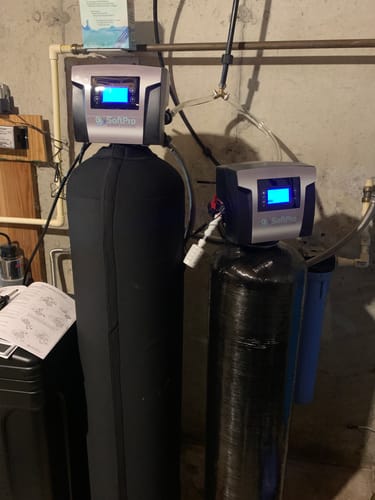
Over the past two weeks, I've been systematically testing and observing the SoftPro ECO's performance across different scenarios and usage patterns. The results have been consistently impressive and measurable.

How much difference did professional water testing make?
I used both test strips and a digital TDS meter to monitor performance. Pre-installation readings showed 15 grains per gallon hardness and 340 parts per million total dissolved solids. Post-installation measurements consistently show 0 grains hardness and 280 ppm TDS – the reduction represents the calcium and magnesium removal while maintaining beneficial minerals.
During peak usage periods – morning showers, evening dishwasher cycles, and laundry days – the system maintained consistent soft water delivery. I haven't experienced the pressure drops or capacity shortfalls that some online reviews mentioned with smaller systems. Even when running the dishwasher and washing machine simultaneously while someone showered, water pressure remained strong and the softener kept up with demand.
The regeneration cycle occurs every three days with our usage pattern, consuming approximately 35 pounds of salt per regeneration. This frequency seems optimal – less frequent than timer-based systems I researched, but regular enough to ensure consistent performance. The system uses about 42 gallons of water per regeneration cycle, which is efficient compared to older downflow designs.
I've been tracking soap and detergent usage, and we're already using about 30% less laundry detergent and dish soap while achieving better cleaning results. Our automatic dishwasher now works perfectly with just the standard amount of detergent – no more adding extra rinse aid or running additional cycles for spotty glassware.
Real-World Impact on Daily Living
The transformation in our daily water experience has been remarkable and immediate. Within 48 hours of installation, family members were commenting on noticeable improvements without any prompting from me.
What changes did we notice first in our morning routines?
Showers became genuinely more pleasant. The soft water creates a different lather with soap and shampoo – more luxurious and easier to rinse clean. My wife mentioned that her hair felt softer and less tangled after washing. Our teenagers, who are particular about their skin care routines, noted that their skin felt less tight and dry after showering.
Kitchen cleanup became dramatically easier. Hand-washing dishes no longer leaves a filmy residue, and our stainless steel sink actually stays shiny between cleanings. The automatic dishwasher now produces spotless glassware and streak-free dishes without any additional products or special cycles.
Coffee and tea taste noticeably better. We've been casual coffee drinkers, but the improved water quality enhanced flavors we didn't realize were being masked by mineral content. Our coffee maker no longer develops white mineral deposits, and the water reservoir stays cleaner between uses.
Cleaning bathroom fixtures requires much less effort and frequency. Soap scum formation has virtually stopped, and the existing buildup is gradually disappearing as soft water dissolves mineral deposits. Our shower heads maintain full water pressure, and the glass shower door stays clearer much longer.
Laundry results improved immediately. Colors appear brighter, whites stay whiter, and fabrics feel softer without fabric softener. We're using less detergent while achieving better cleaning results, and our washing machine no longer shows mineral staining in the drum or dispensers.
Operational Costs and Long-Term Value Analysis
Understanding the true cost of ownership was crucial in my decision-making process, and tracking actual expenses has validated my investment calculations.

What are the ongoing operational expenses?
Salt consumption runs approximately 35-40 pounds every three days, translating to roughly 350-400 pounds monthly for our household. At current salt prices of about $6 per 40-pound bag, monthly salt costs average $50-60. This expense is partially offset by reduced soap, detergent, and cleaning product usage.
Electricity consumption for the control valve and regeneration cycles is minimal – the system draws power only during regeneration and for the electronic controls. Our utility bill shows no noticeable increase attributable to the water softener operation.
Water usage for regeneration adds approximately 125 gallons to our monthly consumption every three days, totaling about 1,250 gallons monthly. At our local water rates, this represents roughly $15 additional monthly water cost.
The cost savings are beginning to accumulate. Reduced detergent usage saves approximately $25 monthly, and we've eliminated the need for specialty cleaning products for mineral deposits. Our water heater operates more efficiently without mineral buildup, though the energy savings will be more apparent over time.
How does this compare to our previous situation?
Before the softener, we spent considerable money on cleaning products specifically designed for hard water stains, specialty detergents, and frequent appliance maintenance. The hidden costs of hard water – reduced appliance lifespan, increased energy consumption, and constant replacement of shower heads and faucet aerators – were substantial but difficult to quantify until eliminated.
Final Assessment: Investment Worth and Recommendations
After two weeks of intensive use and observation, the SoftPro ECO water softener has exceeded my expectations and justified the investment through measurable improvements in water quality and daily living convenience.
Would I make the same decision again knowing what I know now?
Absolutely. The system delivers exactly what was promised – consistent, reliable soft water that has eliminated our hard water problems without creating new complications. The installation was straightforward, the operation is automated and efficient, and the results are immediately apparent and sustained.
The compact design solved our space constraints perfectly, fitting into our corner installation without requiring utility room reorganization. The two-tank configuration provides flexibility that single-cabinet systems couldn't offer for our specific layout requirements.
Performance has been flawless across varying usage patterns and demand levels. The system maintains consistent soft water delivery during peak usage periods, regenerates efficiently based on actual consumption, and operates quietly without disrupting household activities.
For households dealing with very hard water like ours (15 grains per gallon), the SoftPro ECO provides an excellent balance of capacity, efficiency, and value. The initial investment is reasonable compared to other high-capacity systems, and the operational costs are manageable and partially offset by savings in other household products.
What would I tell other homeowners considering this system?
If you're dealing with hard water problems and have space constraints, the SoftPro ECO offers a proven solution with professional-grade performance in a residential package. The key is having accurate water testing, proper sizing for your household, and professional installation to ensure optimal operation.
This system is ideal for households with moderate to high water usage, space limitations, and a preference for automated operation with minimal maintenance requirements. The improved water quality, reduced cleaning effort, and appliance protection make it a worthwhile investment that pays dividends in daily convenience and long-term cost savings.